Category Archives: QR Cide Oosts

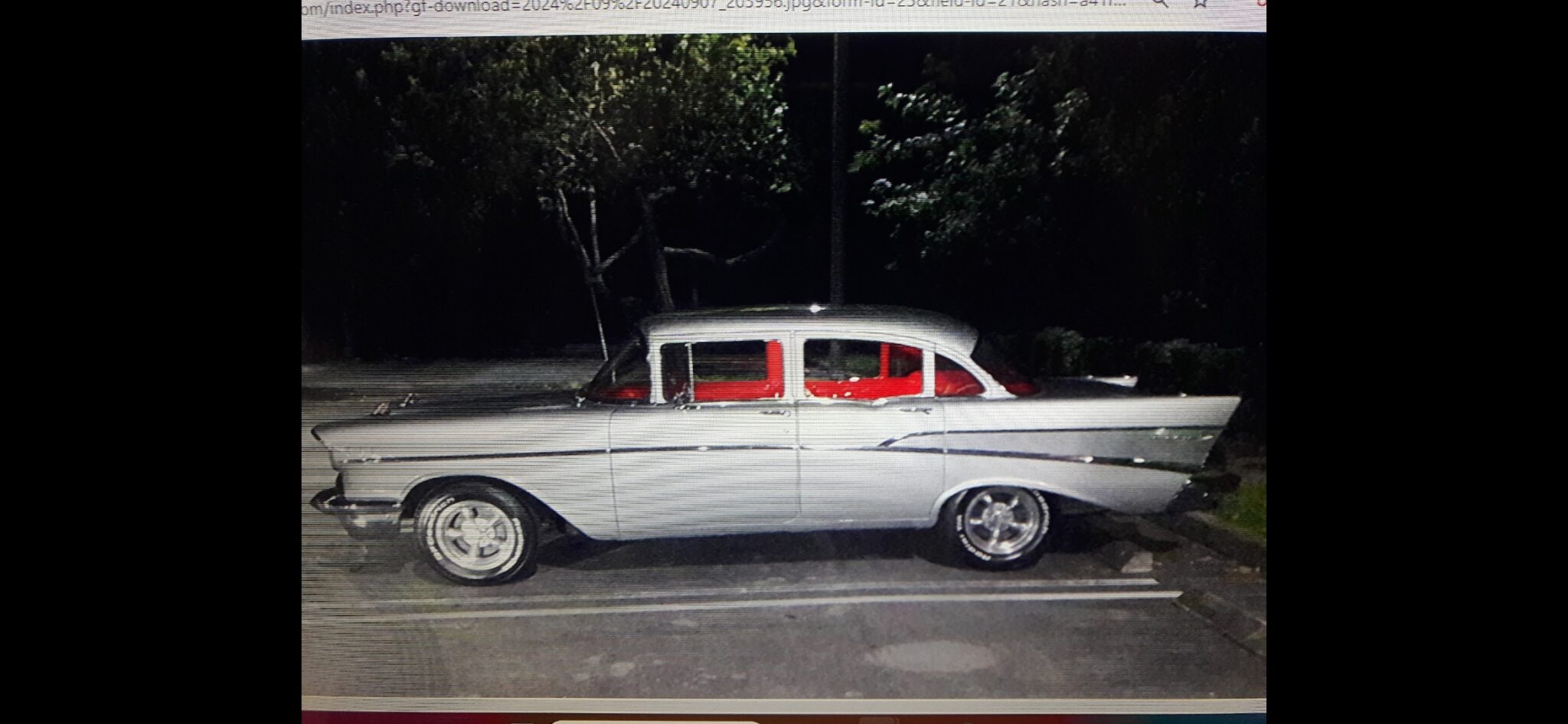
1957 CHEVROLET BELAIR

OWNERL RICHARD MANSO


The 1957 Chevrolet Bel Air is an iconic American full-size car and the final model of the second-generation “Tri-Five” series (1955–1957). [1, 2]
Key Features & Styling
  • Exterior Design: Features prominent rear tailfins, a gold-anodized aluminum side-sweep panel, a gold grille, and “bullet” or jet-cone bumperettes under the headlamps. [1, 2]
  • Body Styles: Available as a 2-door or 4-door sedan, 2-door sport coupe, 4-door sport sedan, convertible, and Nomad or Townsman wagons. [1]
  • Interior: Known for a spacious 6-passenger cabin, seven two-tone interior combinations, and an optional dashboard Fresnel lens used as an overhead traffic signal viewer (as discussed by users on Reddit). [1, 2, 3]
Engine & Performance Options
  • Standard Engine: A 235-cubic-inch straight-6 cylinder engine. [1]
  • V8 Upgrades: The big news for 1957 was the introduction of the 283-cubic-inch V8, ranging from standard 2-barrel or 4-barrel carburetors (delivering 185 hp to 270 hp) up to the high-performance Ramjet Fuel Injection V8 options producing 250 hp or 283 hp. [1, 2]
  • Transmissions: Offered with manual transmissions (2- or 3-speed) or the 2-speed Powerglide automatic. [1, 2, 3]

1957 CHEVROLET BELAIR

OWNER: MIKE TURKAL


The 1957 Chevrolet Bel Air is an iconic American full-size car and the final model of the second-generation “Tri-Five” series (1955–1957). [1, 2]
Key Features & Styling
  • Exterior Design: Features prominent rear tailfins, a gold-anodized aluminum side-sweep panel, a gold grille, and “bullet” or jet-cone bumperettes under the headlamps. [1, 2]
  • Body Styles: Available as a 2-door or 4-door sedan, 2-door sport coupe, 4-door sport sedan, convertible, and Nomad or Townsman wagons. [1]
  • Interior: Known for a spacious 6-passenger cabin, seven two-tone interior combinations, and an optional dashboard Fresnel lens used as an overhead traffic signal viewer (as discussed by users on Reddit). [1, 2, 3]
Engine & Performance Options
  • Standard Engine: A 235-cubic-inch straight-6 cylinder engine. [1]
  • V8 Upgrades: The big news for 1957 was the introduction of the 283-cubic-inch V8, ranging from standard 2-barrel or 4-barrel carburetors (delivering 185 hp to 270 hp) up to the high-performance Ramjet Fuel Injection V8 options producing 250 hp or 283 hp. [1, 2]
  • Transmissions: Offered with manual transmissions (2- or 3-speed) or the 2-speed Powerglide automatic. [1, 2, 3]

This is a rotisserie restored 1957 Chevrolet Bel-Air convertible. It has a 283 original engine with the batwing air cleaner, which is rare. This car was brought back to factory specs from top to bottom, bumper-to-bumper probably going to be onethe nicest one at the show. every nut boat screw, and washer has been replaced along with everything else.

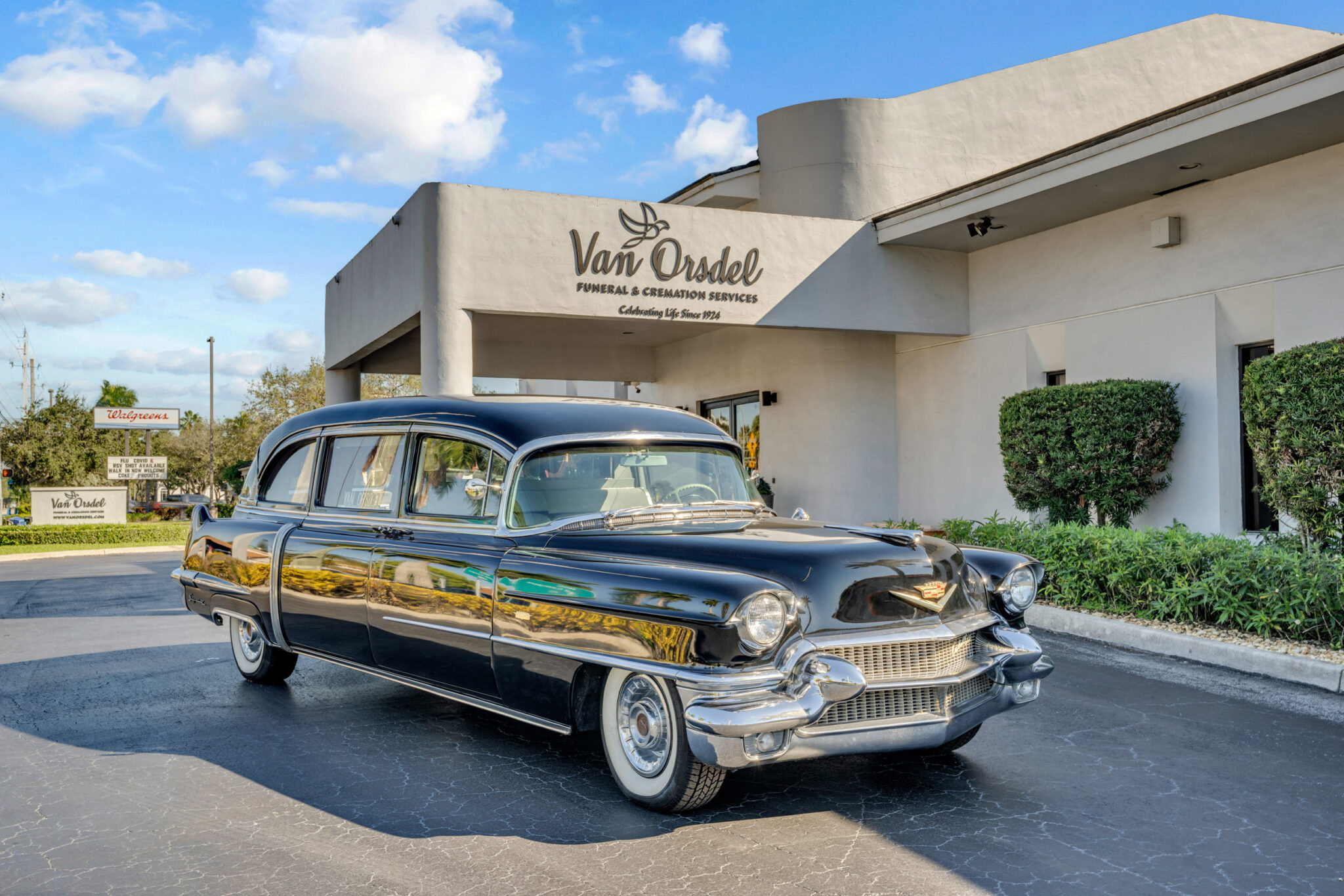
1956 CADILLAC SUPERIOR HEARSE

OWNER: VAN ORSDEL FAMILY – FUNERAL CHAPELS


The 1956 Cadillac Superior Hearse is a vintage classic funeral coach built on a heavy-duty Cadillac commercial chassis. [1, 2]
Key Specifications & Features
  • Platform: Built on a Cadillac commercial chassis with a 163-inch wheelbase. [1]
  • Engine: Powered by a 365 cubic-inch V8 engine. [1]
  • Body & Coachwork: Custom-built by Superior Coach Works, featuring signature 1956 Cadillac styling cues such as massive chrome bumpers, tail fins with vertical chrome accents, and a “Superior” script emblem on the rear quarter panels. [1, 2, 3]
  • Interior & Equipment: Retains traditional funeral coach elements including interior drapes, casket rollers, a rear side-loading door, and sometimes combination ambulance features like folding jump seats or emergency lighting. [1, 2, 3]

Our **1956 Cadillac Superior Hearse** is a rare piece of automotive history, reflecting the timeless craftsmanship of mid-century design. With only 770 produced in 1956, this extraordinary vehicle features graceful curved glass and the unmistakable elegance that has made Cadillac an enduring American icon.

Its journey is just as fascinating as its design. Originally serving a funeral home in Colorado, the hearse later toured with a musical band before becoming part of the Segal Funeral Home fleet. Today, it continues its proud legacy of service and dignity with **Van Orsdel Funeral & Cremation Services**.

More than an award-winning classic, this remarkable vehicle represents a rich history of craftsmanship, care, and tradition—values that Van Orsdel has proudly shared with the Miami community for over a century.



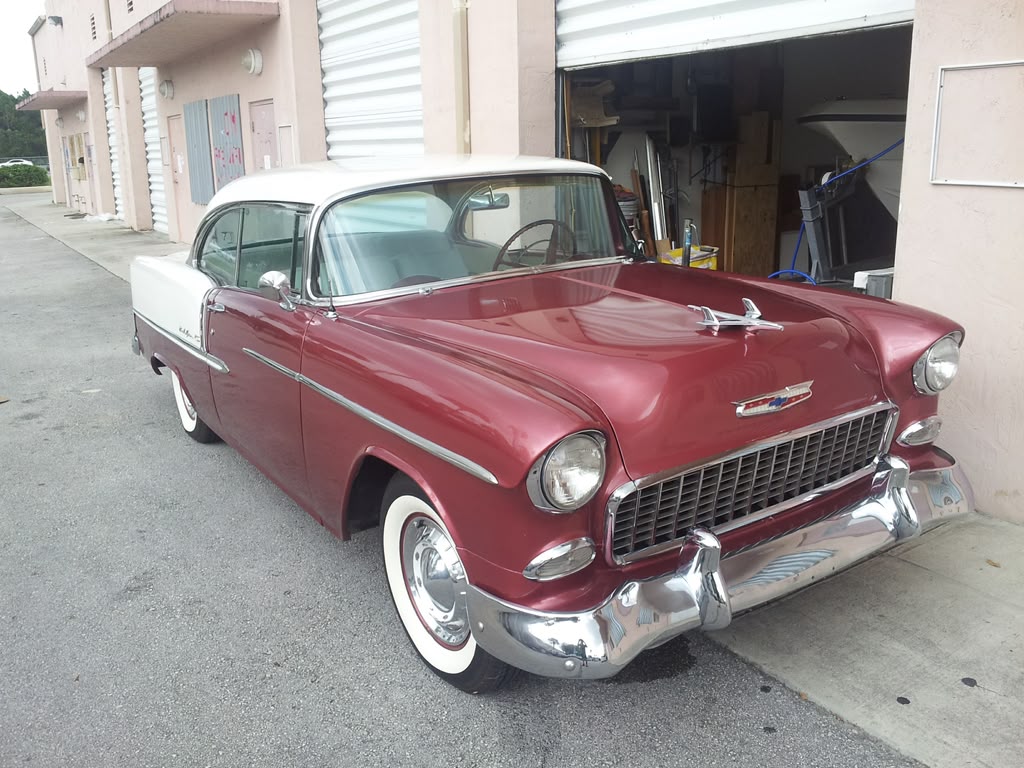
1955 CHEVROLET BELAIR

OWNER: CARLOS CICERO


The 1956 Chevrolet Bel Air is an iconic American full-size classic car, part of the famous “Tri-Five” generation (1955–1957). [1, 2, 3]
Key Specifications & Features
  • Engine Options: Inline 6-cylinder engines (such as the 235 cu in “Blue Flame”) or the small-block 265 cu in V8 delivering anywhere from 162 HP up to 225–240 HP with dual four-barrel carburetors. [1, 2, 3, 4]
  • Transmissions: 3-speed manual, manual with overdrive, or the 2-speed Powerglide automatic. [1]
  • Design: Styled by Bill Mitchell, featuring a Ferrari-inspired front grille, wraparound windshield, signature two-tone paint combinations, and abundant chrome brightwork. [1, 2, 3]
  • Body Styles: Offered as a 2-door hardtop, 4-door sedan, 4-door hardtop, convertible, and station wagon variants, with total Bel Air production reaching nearly 700,000 units for the 1956 model year. [1, 2]

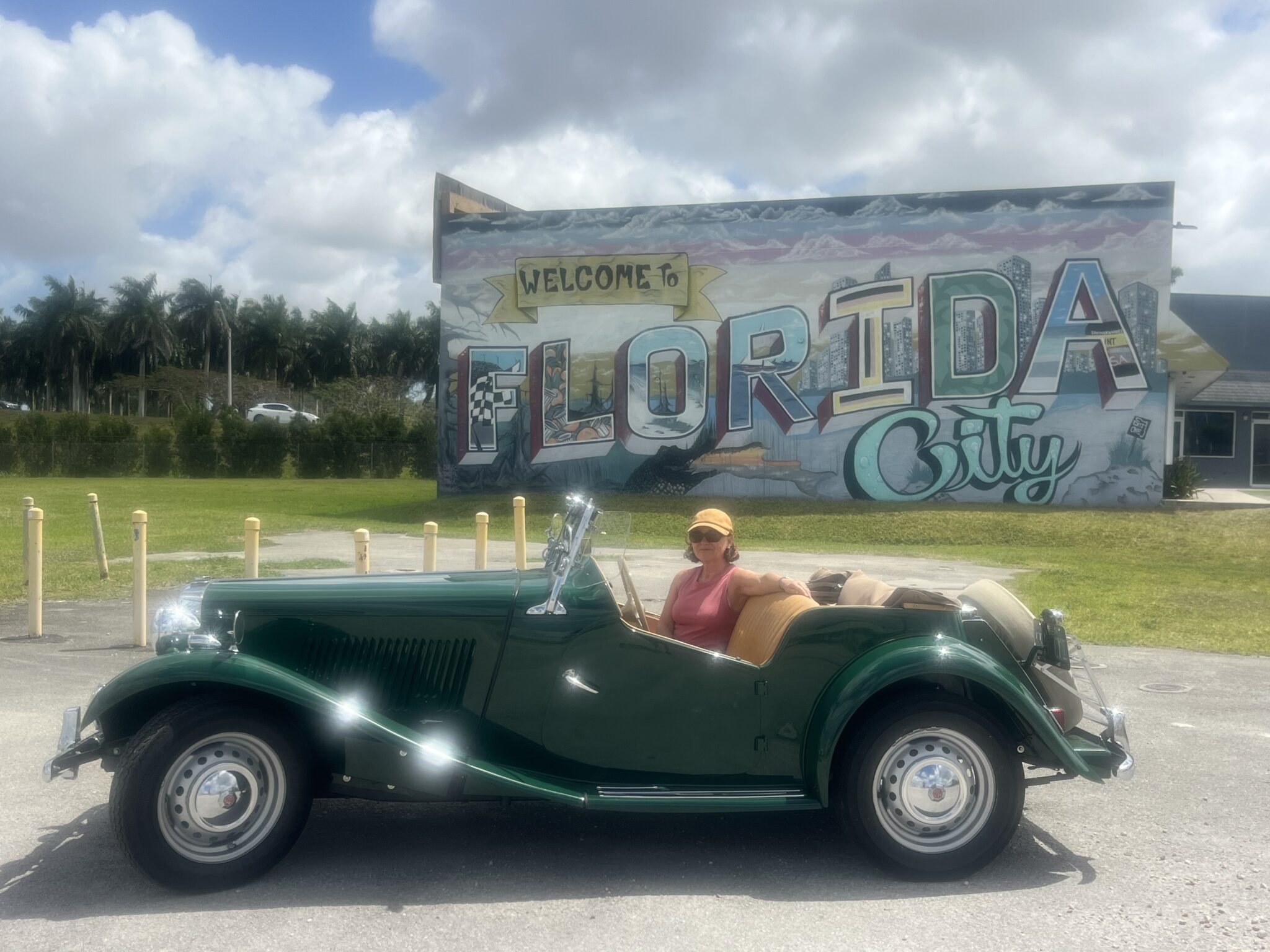
1952 MG TD

OWNER: FRANCISCO MATALLANA


The 1952 MG TD is a classic British open two-seater sports car that helped introduce American drivers to post-war European motoring. [1, 2]
Key Specifications & Performance
  • Engine: 1,250 cc (1.25 L) XPAG inline-four cylinder [1, 2]
  • Horsepower: Approximately 54 hp [1]
  • Transmission: 4-speed manual (with non-synchromesh 1st gear) [1, 2]
  • Top Speed: ~77 mph (124 km/h) [1]
  • 0–60 mph: ~18.2 to 22.7 seconds [1]
  • Steering & Suspension: Rack-and-pinion steering with independent front suspension built on a modified Y-type chassis [1, 2, 3]
Design & Features
  • Exterior: Distinctive 1930s pre-war styling with a long hood, 15-inch steel wheels, large bumpers, and a rear-mounted spare tire. [1, 2, 3]
  • Interior: Simple, spartan cockpit featuring a wooden-style dashboard, no roll bars or modern safety belts, and no traditional fuel gauge (requiring a dipstick to check fuel). [1, 2, 3]
  • Electrical: Equipped with a 12-volt British electrical system. [1]

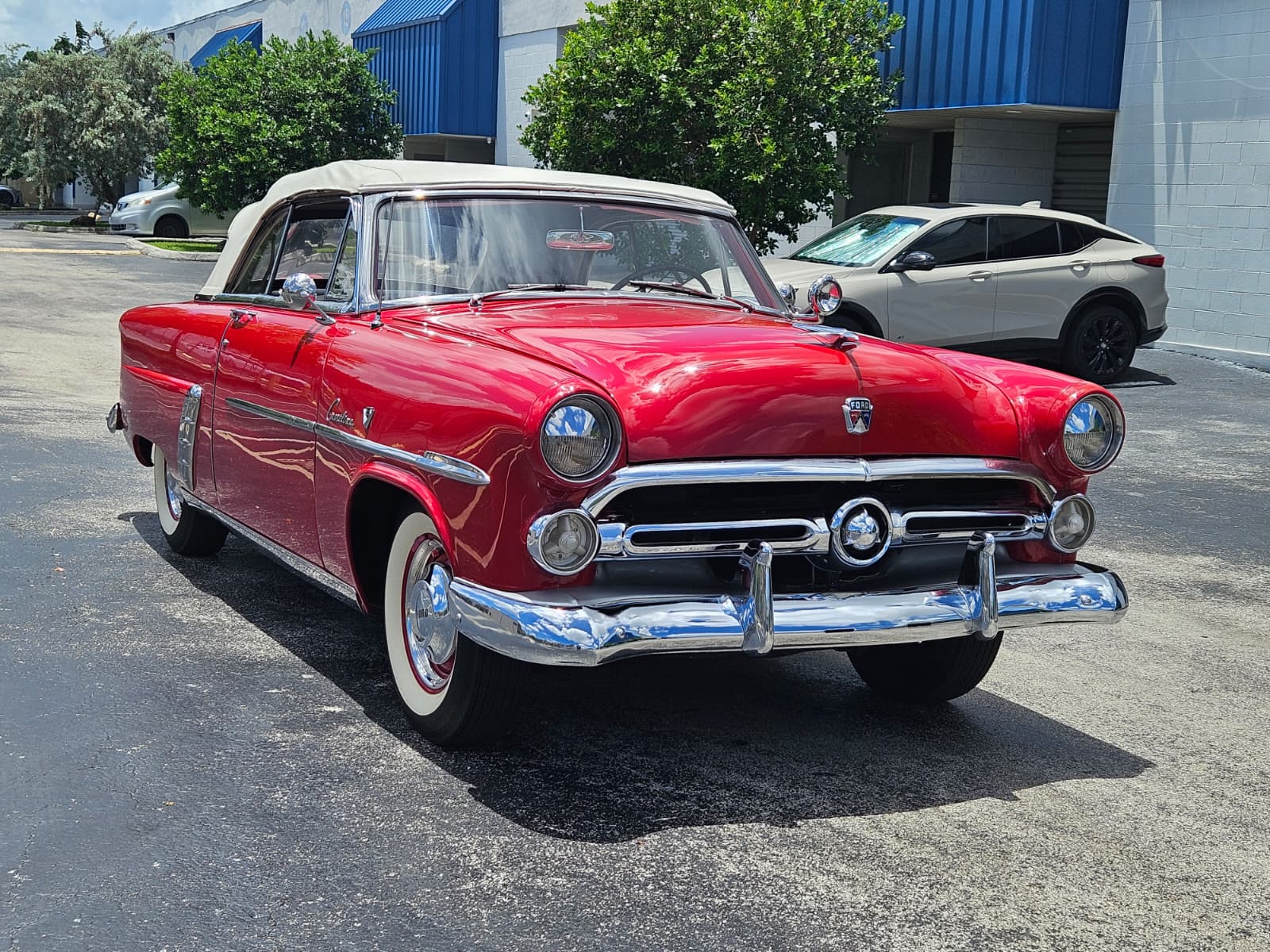
1952 FORD CRESTLINE

OWNER: RICARDO MONTERO


The 1952 Ford Crestline was Ford’s top-of-the-line full-size model, positioned above the Mainline and Customline series. [1, 2]
Key Specifications & Features
  • Model Year: 1952 (part of the 1952–1954 Crestline generation) [1]
  • Body Styles:
    • Victoria: 2-door hardtop
    • Sunliner: 2-door convertible
    • Country Squire: 4-door wood-clad station wagon [1, 2]
  • Engine: 239 cu in (3.9 L) “flathead” V8 producing 110 horsepower [1, 2]
  • Transmissions: Standard 3-speed manual, with optional overdrive or Ford-O-Matic automatic [1]
  • Design Highlights: Features a wraparound windshield, curved rear glass, a single center “bullet” grille surrounded by a chrome ring, and a “flight-style” interior control panel. [1, 2]
 

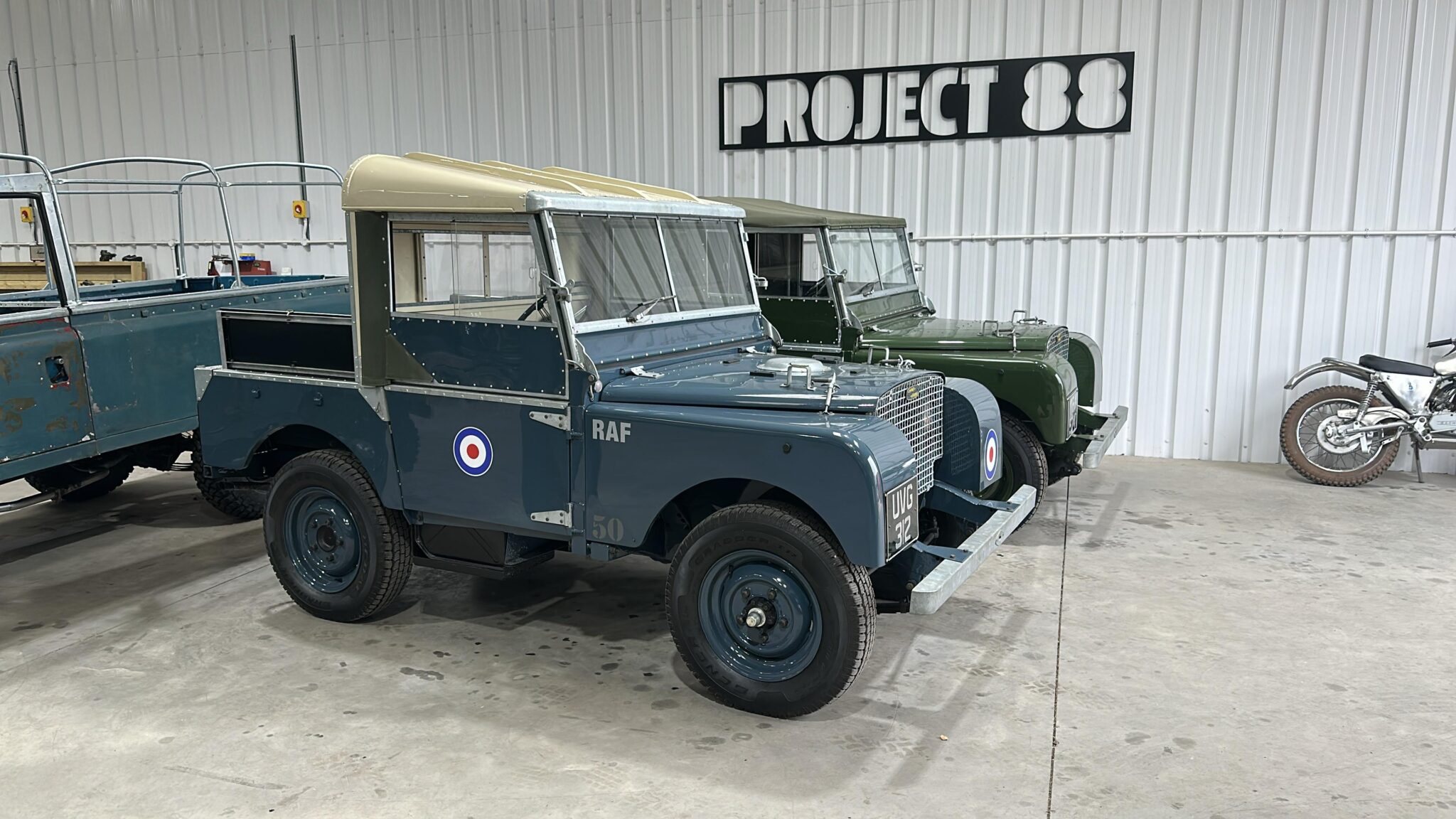
1950 LAND ROVER SERIES 1

OWNER: ERIC CARTAYA


The 1950 Land Rover Series 1 is a classic 80-inch wheelbase utility vehicle powered by a 1.6-liter petrol engine and featuring an aluminum body over a steel box-section chassis. [1, 2]
Key Specifications & Features
  • Wheelbase: 80 inches (2.03 meters) [1]
  • Engine: 1.595-liter (1.6L) inline-four petrol engine producing around 50 bhp [1]
  • Transmission: 4-speed manual gearbox borrowed from the Rover P3 paired with a 2-speed transfer box [1]
  • Body Material: Lightweight aluminum alloy panels (chosen due to post-war steel shortages) [1, 2]
  • Drive System: Four-wheel drive with an early freewheel unit [1]
  •  

1948 BUICK SPECIAL

OWNER: OCTAVIO MENDIZABAL


The 1948 Buick Special is an entry-level, full-size post-war American classic built on a 121-inch wheelbase. [1, 2]
Key Specifications & Features
  • Engine: 248-cubic-inch “Fireball” straight-eight engine producing 110 horsepower. [1, 2]
  • Transmission: 3-speed manual transmission. [1]
  • Body Styles: Limited to two options—a two-door sedanet (fastback) and a four-door sedan (convertibles were not offered in the Special series at this time). [1, 2]
  • Wheelbase: 121 inches (shorter than the Super’s 124 inches and the Roadmaster’s 129 inches). [1]
  • Original Price: Around $1,550 when new. [1]
Styling & Distinctive Traits
  • Fenders: Unlike the Super and Roadmaster—whose rear fender trim extensions continued all the way back—the Special’s side trim and fender extensions went only about halfway into the door. [1]
  • Post-War Design: It carried over the streamlined, integrated “bomb-style” body lines originally designed by Harley Earl for the pre-war 1942 model year. [1, 2]
  • Rarity: Because buyers often preferred the step-up Super or Roadmaster models, fewer than 3,000 original base Specials were produced during the post-war buyer boom. [1]

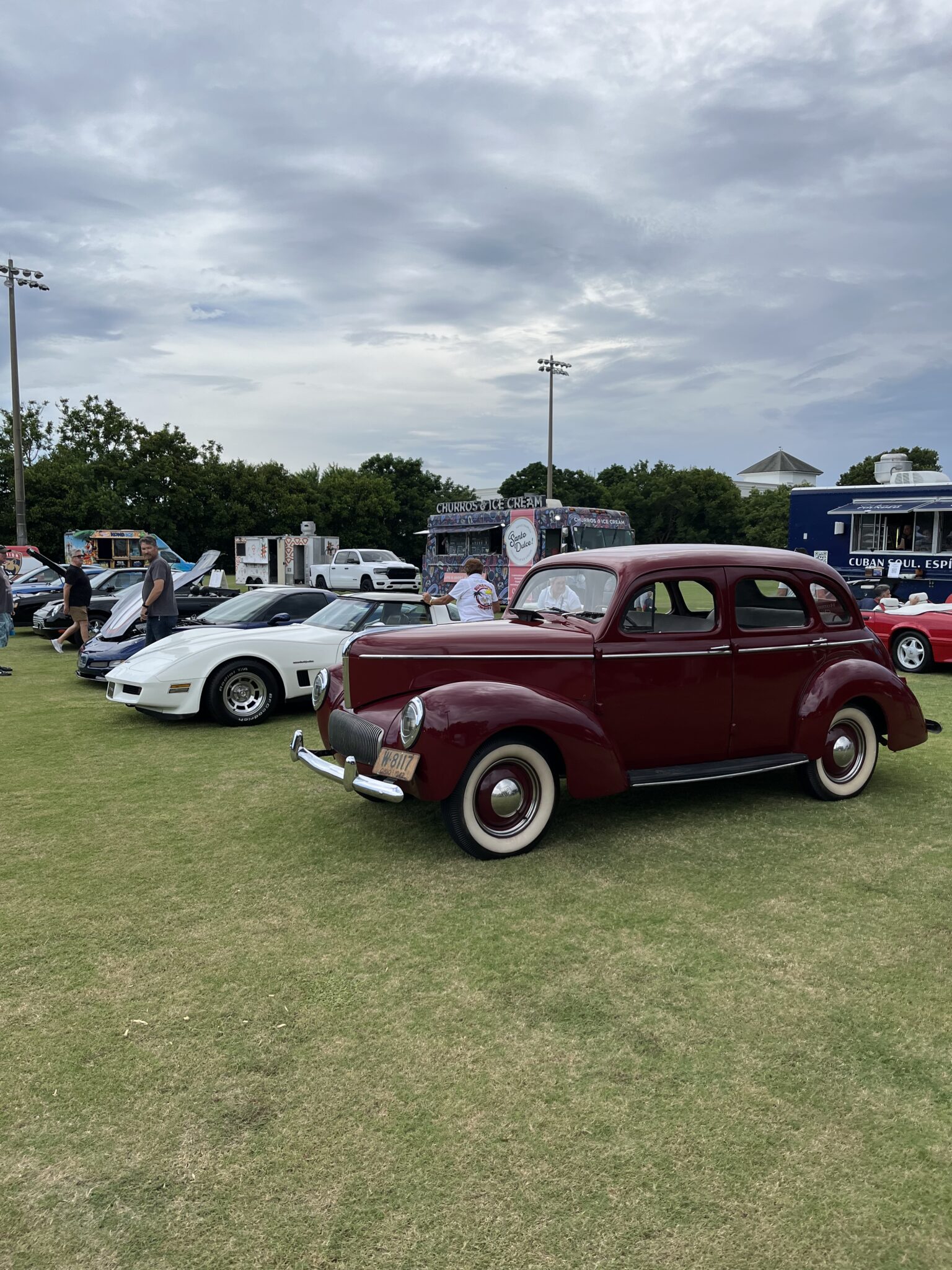
1942 WILLYS AMERICAR

OWNER: RICHARD WHITTINGTON


The 1942 Willys Americar (Model 442) is a rare pre-war compact car produced by Willys-Overland Motors in Toledo, Ohio, before World War II halted civilian manufacturing. [1, 2, 3]
Key Specifications
  • Engine: 2,200 cc (134 cu in) “Go-Devil” L-head inline-4 [1, 2]
  • Horsepower: ~60 hp [1]
  • Transmission: 3-speed manual [1]
  • Layout: Front-engine, rear-wheel drive [1]
  • Wheelbase: 102.75 to 104 inches [1, 2]
  • Curb Weight: ~2,350 – 2,420 lbs [1, 2]
  • Top Speed: Around 65 mph [1]
Body Styles & Trims
  • Body Styles: 2-door coupe, 2-door pickup truck, 4-door sedan, and 3-door station wagon [1, 2]
  • Trims: Speedway, Plainsman, and DeLuxe [1]
Historical Significance
  • Short Production Run: Built for only about a month in early 1942, with roughly 7,000 units sold (following 22,000 units of the 1941 model) due to factories pivoting to war production (including the famous Willys MB Jeep).
  • Final Passenger Car: It was Willys-Overland’s last civilian passenger car model for a decade, until the introduction of the Willys Aero in 1952.
  • Hot Rod Legacy: The compact 2-door coupe variant became a legendary choice for street rods, gassers, and custom builds. Track market activity or available listings via platforms like

John North Willys who started the Willys Company pronounced his last name Willis. But people like to call his legacy of cars and Jeeps today Willys.

1936 FORD ROADSTER

OWNER: DIANE ASH


The 1936 Ford Roadster (part of the Model 48 lineup) is one of the rarest and most coveted pre-war American cars. [1, 2]
Key Specifications & History
  • Production Numbers: Only about 3,862 units of the DeLuxe Roadster were built out of roughly 711,385 to 820,000 total 1936 Ford production units, making survivors extremely rare today (estimates suggest only around 300 original-condition roadsters remain). [1, 2, 3, 4]
  • Engine: Powered by Ford’s iconic 221 cubic-inch Flathead V8 engine (21-stud configuration), paired with a manual transmission. [1, 2, 3]
  • DeLuxe Features: The top-of-the-line DeLuxe trim added a functional rumble seat in the rear, dual windshield wipers, an oil pressure gauge, and a radio. [1]
  • Design: Designed with streamlined, rounded art-deco styling, a V-shaped grille, and distinct side hood louvers that helped Ford maintain sales leadership over Chevrolet. [1, 2]
 
  • Hot Rod Culture: The 1936 Roadster is a foundational icon in American hot rod history. Builders frequently transform them into custom “street rods” or show-stoppers (such as multiple award-winners at the Grand National Roadster Show), swapping out original flatheads for modern small-block Chevy V8s, Chrysler Hemis, or supercharged wideblocks, alongside custom chopped windshields and upgraded