Category Archives: QR Cide Oosts

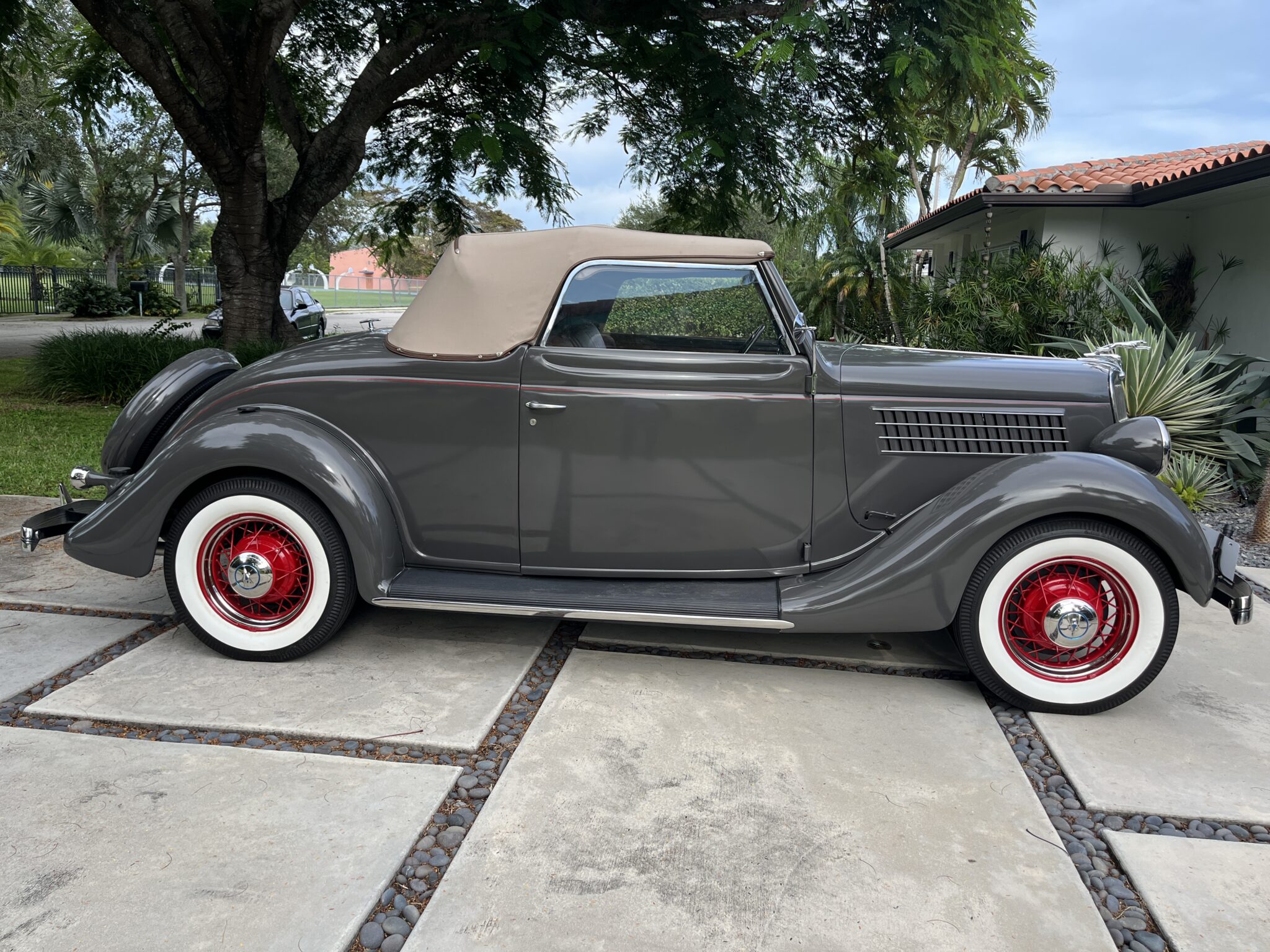
1935 FORD 48 CABRIOLET

OWNER: ROBERTO DEL VALLE


The 1935 Ford Model 48 Cabriolet is an upscale, two-door convertible coupe featuring Ford’s updated “Center-Poise” chassis and Art Deco styling. [1, 2]
Key Specifications & Features
  • Engine: 221 cu in (3.6 L) “flathead” V8 producing 85 horsepower at 3,800 RPM and 148 lb-ft of torque. [1, 2, 3]
  • Transmission: 3-speed manual transmission. [1, 2]
  • Chassis & Suspension: 112-inch wheelbase with front and rear transverse leaf spring suspension; the front spring was relocated ahead of the axle for increased cabin room. [1, 2]
  • Brakes: Mechanically operated 12-inch drum brakes on all four wheels. [1]
  • Body & Interior: Feature-integrated fenders, a prominent V-shaped grille, roll-down or folding convertible top options, and standard rumble seat configurations on select convertible styles. [1, 2, 3]

1933 FORD TUDOR

OWNER: WHITNEY ASH


The 1933 Ford Tudor Sedan is a classic two-door American car from the Model 40 generation, originally sold with a base price of $450 and available with either a four-cylinder or flathead V-8 engine. [1, 2, 3, 4]
Key Specifications & Performance
  • Engine Options: 221-cubic-inch flathead V-8 producing roughly 75 horsepower or a four-cylinder “B” engine. [1, 2]
  • Top Speed: Approximately 80 miles per hour for the stock V-8 variant. [1]
  • Production: A total of 334,969 Fords were built in 1933, with the standard two-door Tudor sedan being the most popular body style (106,387 units produced). [1, 2]
  • Original Features: All-steel body construction, 17-inch wire wheels, and a distinctive upright grille design. [1, 2]
 

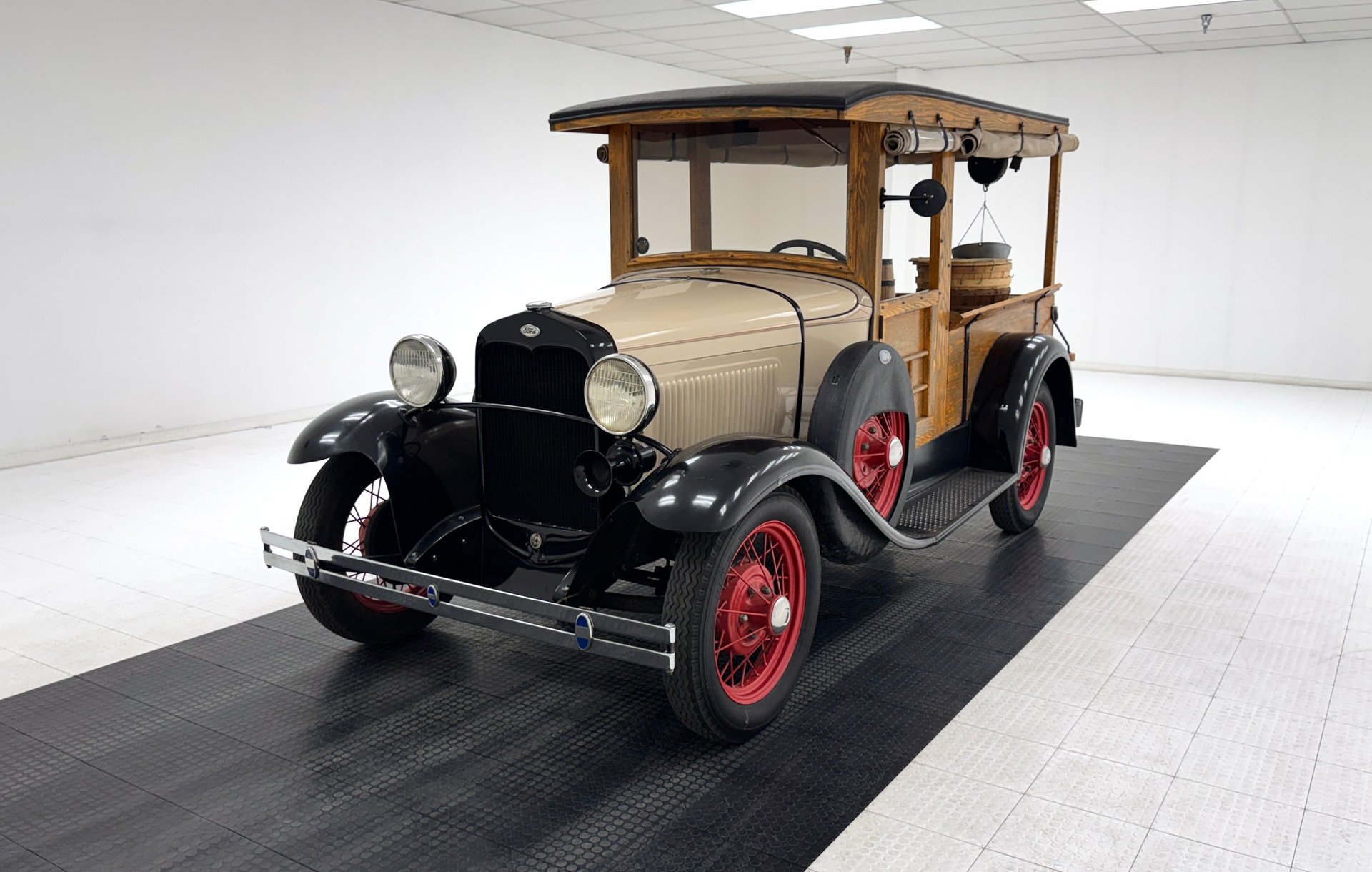
1931 FORD HUCKSTER

OWNER: RYAN BALDWIN


A 1931 Ford Huckster is a vintage commercial delivery vehicle built on a Ford Model A chassis featuring a custom-built wooden cargo body. [1, 2]
What is a Ford Huckster?
  • Not a Factory Body: Ford never built the huckster style at the factory. Independent builders and owners fitted wooden boxes or enclosures onto Ford Model A pickup frames. [1, 2]
  • Peddler’s Wagons: Street vendors and peddlers used them from the 1920s through the 1940s to sell fruits, vegetables, and dry goods door-to-door. [1]
  • Side Curtains: The wooden cargo area typically featured roll-up canvas, cloth, or vinyl side curtains for easy access to merchandise. [1, 2]
Key Specifications
  • Engine: 200.5 cubic-inch L-head inline-four cylinder [1, 2]
  • Horsepower: 40 hp [1, 2]
  • Transmission: 3-speed manual transmission [1, 2]
  • Brakes: Mechanical drum brakes [1]
  • Top Speed: Approximately 65 mph [1]
  • Electrical System: Originally 6-volt, though many restored models are upgraded to a 12-volt system. [1]

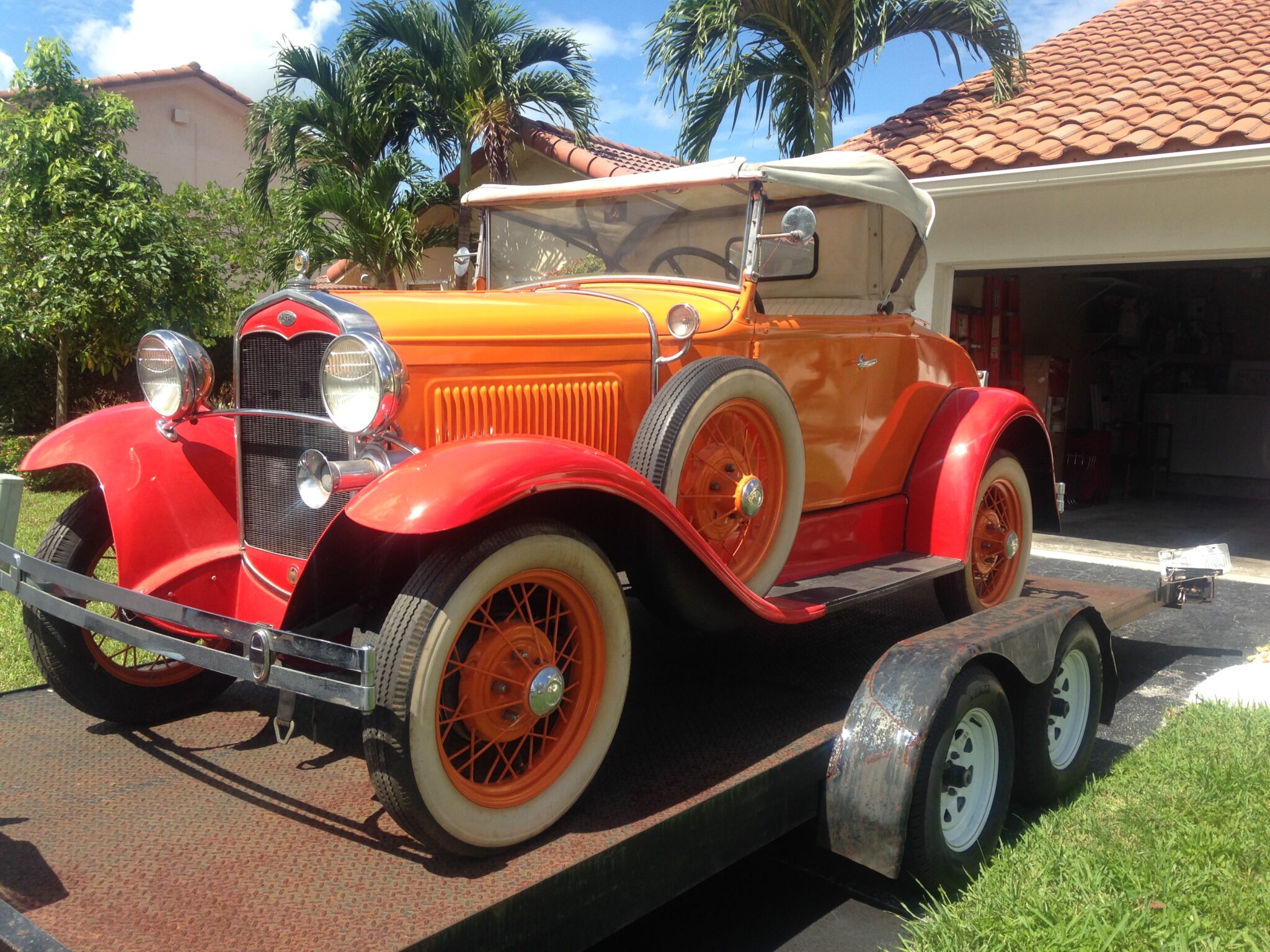
1931 FORD DELUXE ROADSTER

OWNER: PAUL COTNER


The 1931 Ford Model A DeLuxe Roadster is an iconic American open-top classic featuring a 4-cylinder, 200-cubic-inch L-head engine that produces 40 horsepower. [1, 2]
Key Specifications
  • Engine: 200.5-cubic-inch (3.3-liter) inline-4, 40 HP, 128 lb-ft of torque
  • Transmission: 3-speed manual transmission with rear-wheel drive
  • Top Speed: Approximately 55–65 mph (up to 75 mph depending on tuning and gear ratios)
  • Weight: ~2,150 to 2,375 lbs
  • Wheelbase: 103.5 inches
  • Original Price: $475 factory FOB Detroit [1, 2, 3, 4]
Design & DeLuxe Features
  • Open Cockpit & Rumble Seat: Features a folding fabric soft top and a rear passenger “rumble seat”. [1]
  • DeLuxe Trim: Upgraded interior appointments typically featuring pleated leather seating, higher-end exterior paint schemes (such as two-tone combinations or Washington Blue), and a large four-spoke steering wheel. [1, 2]
  • Hardware & Accessories: Often equipped with dual side-mounted spare tires with covers, wire-spoke wheels, a chrome radiator shell, and a rear-mounted luggage rack. [1, 2]

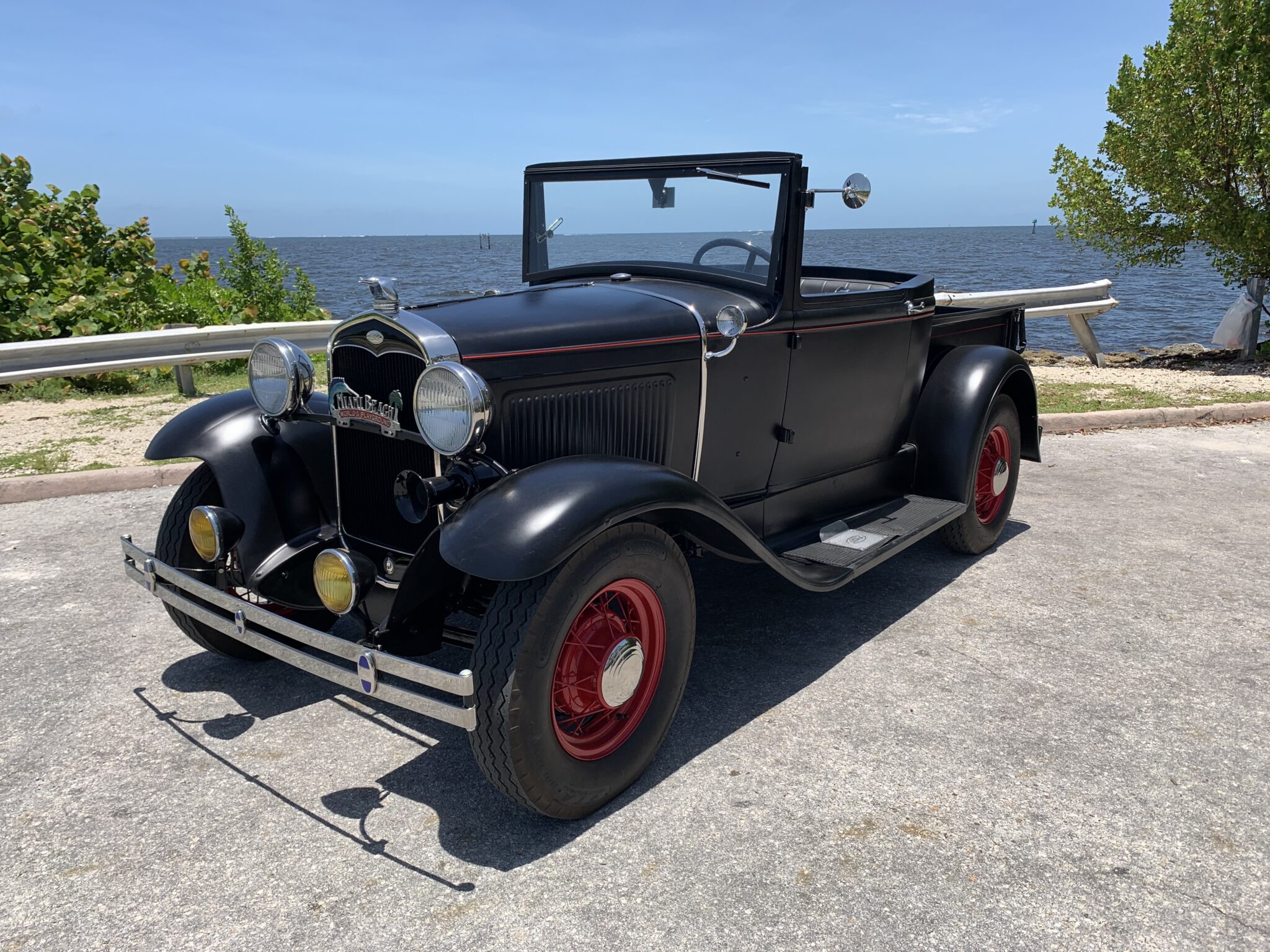
1930 FORD PICKUP TRUCK

OWNER: STEVE BALDWIN


1930s Ford pickups—most notably the 1930–1931 Model A and subsequent V-8 models—are iconic symbols of American automotive history. [
Key Milestones of 1930s Ford Trucks
  • 1930 Model A Pickup: Powered by a 40-horsepower, 4-cylinder engine with a 3-speed manual transmission, featuring a steel bed with wood floor planks and wire or steel disc wheels. [1, 2, 3]
  • 1932 Flathead V-8: Ford revolutionized the market by introducing the affordable flathead V-8 engine into cars and light-duty trucks. [1, 2]
  • 1935 Redesign: Brought smoother, more curvaceous body styling to the lineup. [1]
  • 1938–1939 Updates: Introduced Cab-Over-Engine (COE) models, One-Tonners, and hydraulic brakes. [1]
Specifications & Performance (Model A Era)
  • Engine: 201 cu in (3.3L) L-head 4-cylinder [1, 2]
  • Horsepower: ~40 hp [1]
  • Top/Cruising Speed: Comfortable cruising around 35 mph [1]
  • Electrical System: Originally 6-volt (many restored or custom models are converted to 12-volt or modern alternators) [1, 2]
 

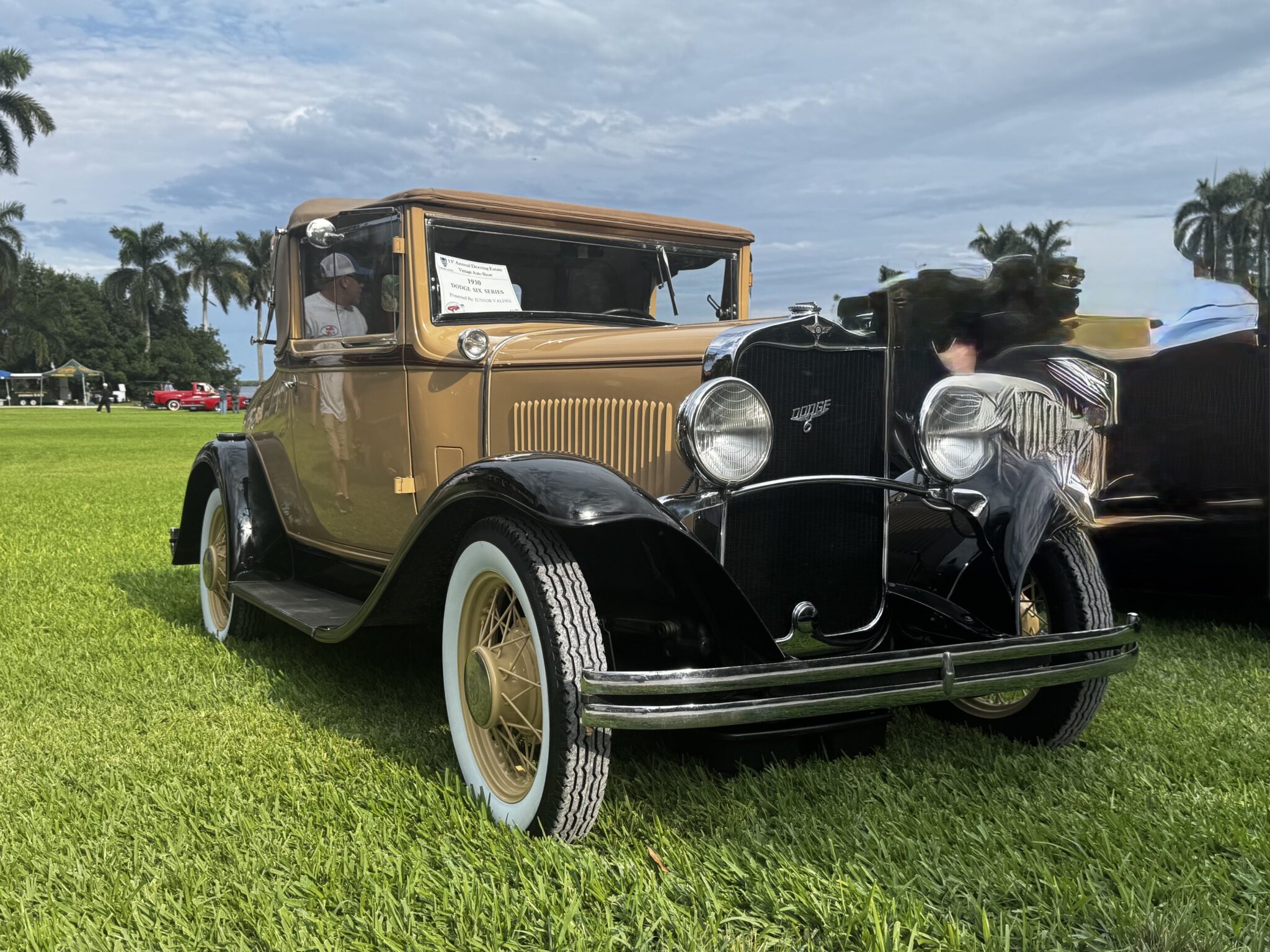
1930 DODGE SIX SERIES

OWNER: JUNIOR VALDES


The 1930 Dodge Six (primarily designated as the Dodge Brothers DD Six) was the first Dodge lineup to integrate styling and engineering influence from Chrysler Corporation, which acquired Dodge in 1928. [1]
Key Specifications & Features
  • Engine: 189.8 cu in (3.1L) L-head inline-six engine [1, 2]
  • Horsepower & Torque: 60 horsepower at 3,400 RPM and 120 lb-ft of torque at 1,200 RPM [1]
  • Wheelbase: 109 inches [1]
  • Transmission: 3-speed selective sliding floor-shift manual with a single-plate dry disc clutch [1]
  • Brakes: Four-wheel hydraulic brakes (a major upgrade for the era) [1, 2]
  • Suspension: Double-acting hydraulic shock absorbers and rubber engine mounts [1]
Body Styles & Original Pricing
  • Sedan: 4-door closed passenger car (priced around $735–$840; 33,432 units built)
  • Business Coupe: 2-door enclosed coupe (3,877 units built)
  • Roadster: Open cockpit with a folding top, side curtains, and a rear rumble seat (772 units built)
  • Convertible Coupe: 2-door convertible (620 units built)
  • Phaeton: Fully open-sided 4-door tourer with a detachable roof (542 units built) 
This 1930 Dodge Brothers DD Six Cabriolet is a particularly rare surviving example of Dodge’s elegant pre-war automobiles. The car has been described by Worldwide Auctioneers as **one of only three known surviving examples**.
Its documented history includes appearances at several prominent collector-car auctions, including Worldwide Auctioneers events in Texas and Auburn, Indiana. The car later became part of the renowned **Klairmont Kollections** in Chicago, where it was displayed among an extensive collection of significant classic and historic automobiles.

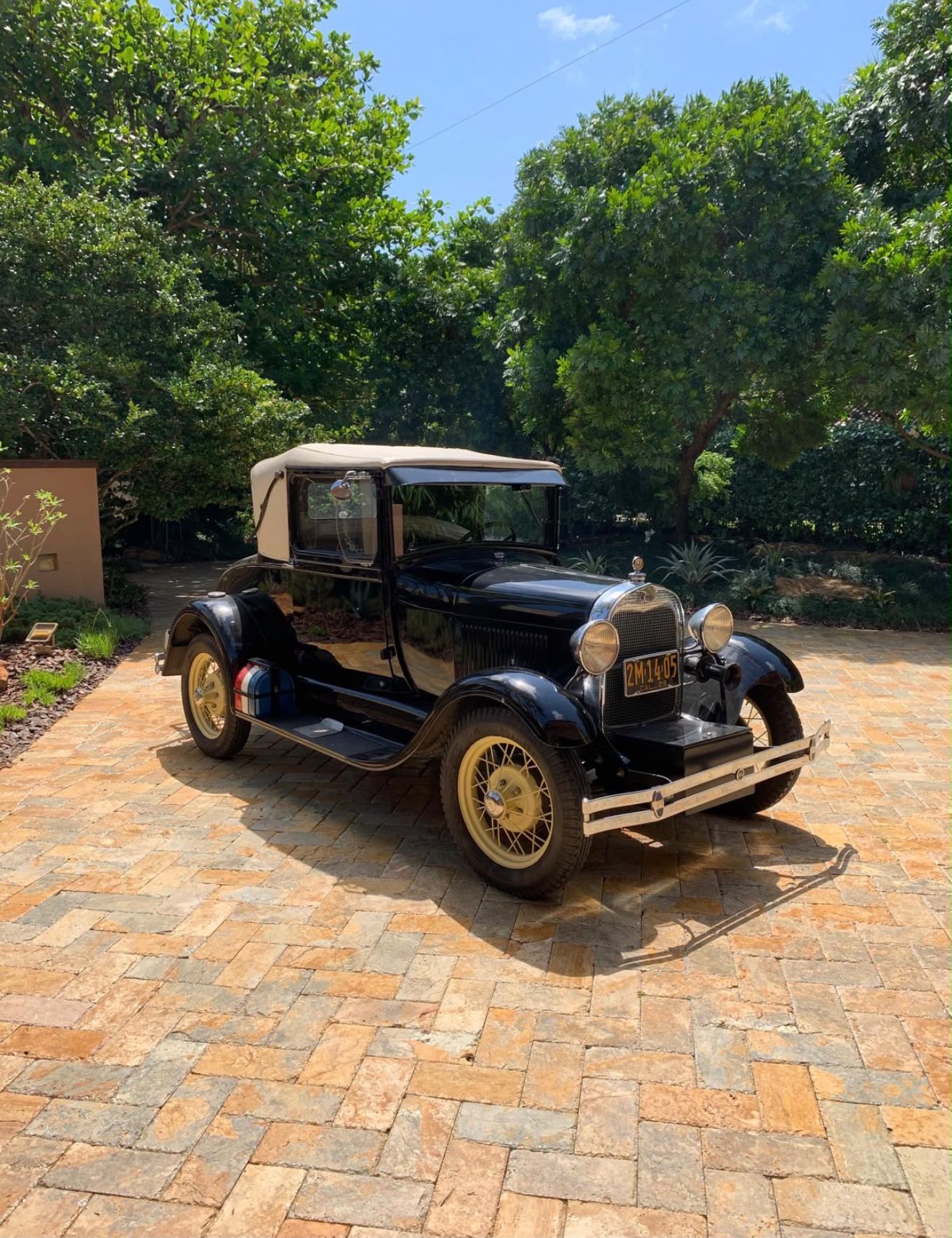
1929 FORD 2 DOOR

OWNER: ELIESER TORRES


A 1929 Ford 2-door typically refers to the Ford Model A, which was produced in popular 2-door body styles like the Tudor Sedan, Business Coupe, Special Coupe, or Sport Coupe. [1, 2]
Key Specifications & Features
  • Engine: 201 CID (3.3L) L-head inline 4-cylinder [1, 2]
  • Horsepower: 40 hp at 2,200 rpm [1]
  • Transmission: 3-speed sliding-gear manual transmission [1]
  • Brakes: Mechanical drum brakes on all four wheels [1, 2]
  • Top Speed: Approximately 65 mph [1, 2]
  • Original 1929 MSRP (FOB Detroit):
    • Business Coupe: $490
    • Tudor Sedan: $500
    • Special Coupe: $510
    • Sport Coupe: $530 [1]


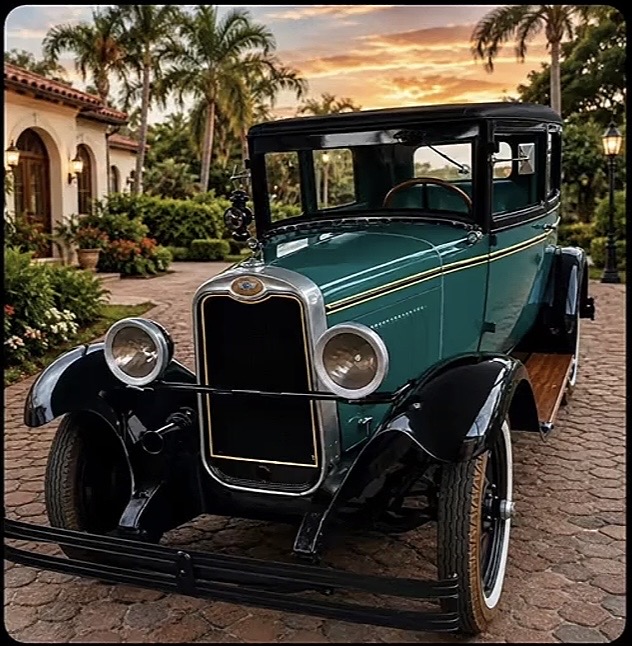
1928 CHEVROLET COUPE

Screenshot

OWNER: IVAN MORRO


The 1928 Chevrolet Coupe belongs to the Chevrolet Series AB National lineup, which was produced as the final 4-cylinder Chevrolet model before the brand transitioned to 6-cylinder engines. [1]
Key Specifications
  • Engine: 171 cu in (2.8 L) OHV inline 4-cylinder producing 35 horsepower at 2,200 rpm [
  • Transmission: 3-speed floor-shifted manual transmission [
  • Wheelbase: 107 inches 
  • Brakes: Mechanically actuated 4-wheel brakes (a major safety update for this year) 
  • Body Construction: Wood-framed structure with sheet metal nailed over it and a fabric-covered roof (often featuring decorative Landau bars) 
  • Original Price: Around $495 to $595 depending on the exact trim/coupe style 
Ownership & Restoration Notes
  • Wood Framing Risk: Most of the body framework is made of wood; owners on Facebook warn against washing the car with direct water hoses because trapped moisture causes the wood framework to rot. Detail spray and dusters are preferred


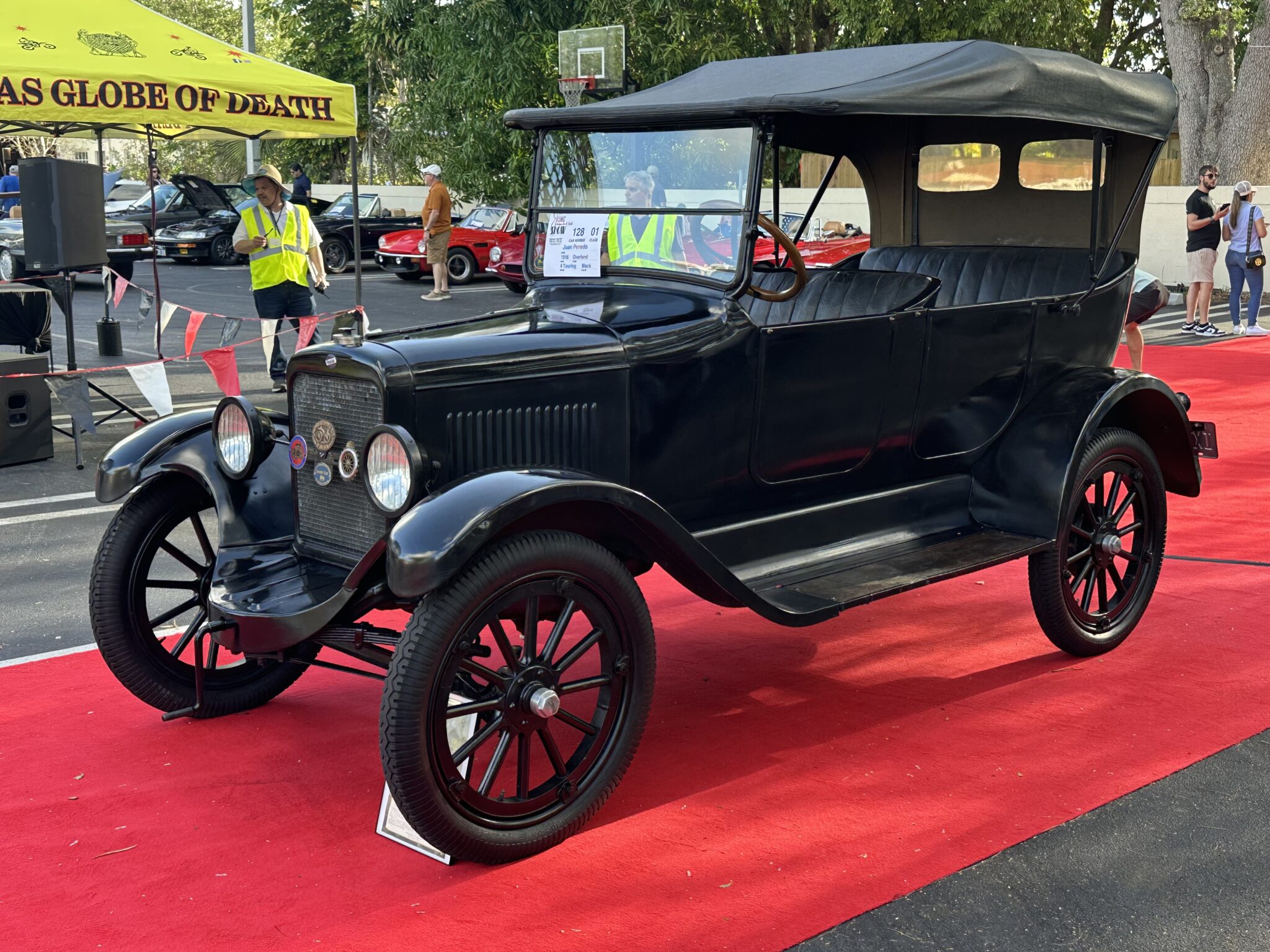
1916 OVERLAND 4 TOURING

OWNER: JUAN PENEDO


The 1916 Overland Touring (produced by the Willys-Overland Co. of Toledo, Ohio) was a popular American vintage-era automobile, famous for competing closely with Ford as a high-volume producer during the 1910

Key Models & Specifications
  • Model 75 / 75B: A lighter, smaller four-cylinder touring car featuring a 153.4ci L-head engine, 3-speed manual transmission, and mechanical rear brakes. Originally sold for around $615–$750 (roughly double a Ford Model T). [1, 2]
  • Model 83: A larger 35-horsepower touring and roadster line on a 106-inch wheelbase, featuring electric starting/ignition and an adjustable windshield. [1]
  • Model 86: A larger, higher-end luxury/touring variant originally priced around $1,145. [1]
General Characteristics
  • Body Style: Open-top “touring” car with a collapsible black canvas or vinyl soft top and side curtains.
  • Chassis & Wheels: Wooden spoke artillery wheels (often with a rear-mounted spare tire), rear-wheel drive, and leaf-spring suspension.
  • Market Status Today: Well-preserved or restored 1916 Overland Touring models occasionally surface through collector auctions (such as RM Sotheby’s or Classic Auto Mall), generally trading anywhere from $13,000 to over $22,000 depending on condition. 
The car has 6000 original miles and has never been restored  it has only been maintained to keep it running.

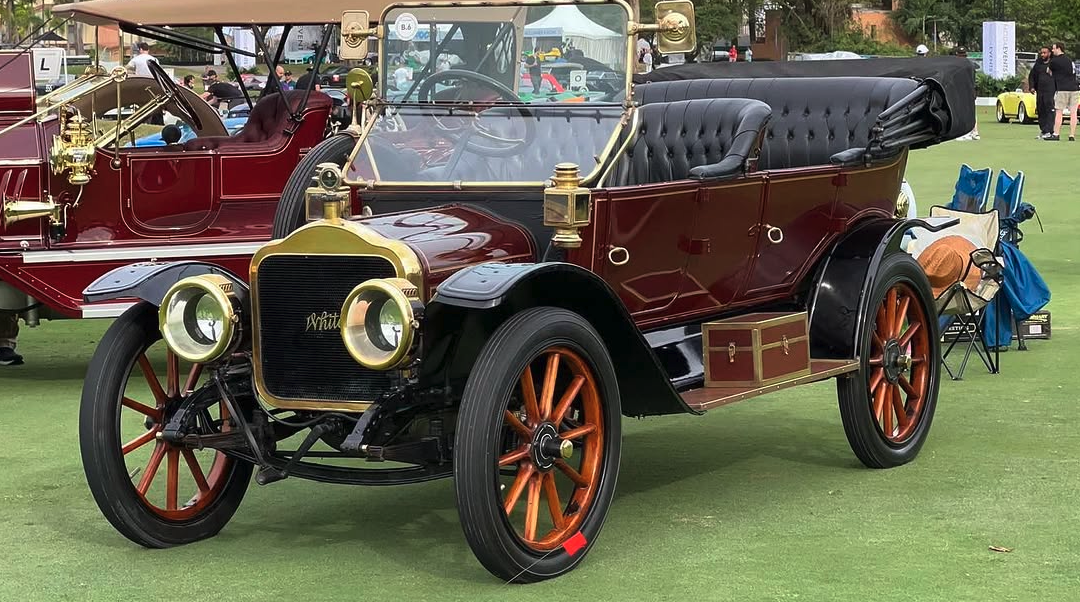
1912 WHITE 30 TOURING

OWNER: SAM HUTTIG

1912 White Model 30 G.A. touring car, a notable early gasoline-powered automobile manufactured by the White Motor Company.
Initially famous for building highly successful steam-powered vehicles (which were even chosen by President William Howard Taft as the first official White House cars), the company transitioned to internal combustion engines around 1910–1911. The Model G-A (often written as GA) was their landmark 30-horsepower, 4-cylinder gasoline vehicle, and the “touring” designation indicates its open-top, multi-passenger body style. 
The White Motor Company derived from the sewing machine company started production of automobiles at the turn of the 20th century.  Early White cars were steam powered.This 1911 White is an early example of the brass era gasoline powered era cars before White focused on trucks and heavy truck production.